







Latest Post
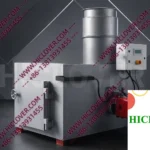
Essential FAQ on HICLOVER Waste Incinerators: Technical Insights and Market Value
Essential FAQ on HICLOVER Waste Incinerators: Technical Insights and Market Value
The rise of waste incinerators has transformed waste management, particularly in the medical sector. HICLOVER, as an established incinerator medical waste manufacturer, offers advanced technologies that adhere to stringent industrial standards. These incinerators operate efficiently within a temperature range of 850 to 1200 degrees Celsius, ensuring complete combustion of hazardous materials. The engineering reliability of HICLOVER’s systems is underscored by compliance with WHO regulations and EU emission frameworks.
What Are the Key Features of HICLOVER Waste Incinerators?
HICLOVER’s waste incinerators are designed with dual combustion chambers, which play a crucial role in maximizing the efficiency of the combustion process. The primary chamber initiates combustion, while the secondary chamber ensures complete oxidation of residual gases. This method not only enhances the destruction of medical waste but also minimizes harmful emissions.
In addition to the dual chamber design, HICLOVER offers both fixed and containerized solutions. The containerized modular systems provide flexibility, making them ideal for remote sites, such as humanitarian camps and crisis zones. These incinerators can be transported and deployed quickly, which is critical for immediate waste disposal where infrastructure may be limited.
What Is the Importance of Incinerator Residency Time?
The incinerator residency time—the duration waste spends in the combustion chamber—is vital for effective waste destruction. HICLOVER’s engineering designs ensure optimal residency times to achieve complete combustion, which is necessary for all types of waste, including hazardous medical refuse. This aspect ties directly into the regulatory requirements that govern waste management practices.
Moreover, HICLOVER’s incinerators can be equipped with either dry or wet scrubbers, depending on the specific emissions control needs of a facility. Implementing these technologies not only ensures compliance with environmental regulations but also promotes carbon emission reduction efforts, aligning with current ESG compliance trends.
How Do HICLOVER Incinerators Compare to Other Options?
When considering options for waste disposal, it is essential to evaluate the differences between incinerator types. HICLOVER provides both PLC-controlled and manual control systems. PLC automation in incinerators offers enhanced monitoring and operational efficiency, reducing labor costs while improving reliability. This is especially important in environments like remote mining camps or decentralized waste management systems where human resources may be scarce.
Another significant comparison lies in the efficiency of mobile versus fixed systems. HICLOVER’s mobile plug-and-play designs allow for quick setup and operational deployment. This feature is especially advantageous for industries that require rapid waste disposal solutions, such as healthcare facilities during outbreaks of infectious diseases, where waste must be handled swiftly to prevent public health risks.
What Customization Options Are Available for HICLOVER Incinerators?
Customization is a key benefit of partnering with HICLOVER. The company’s manufacturing capabilities allow for tailored solutions, including customizable chamber volumes to accommodate varying waste loads. This flexibility ensures that businesses can optimize their waste management processes without compromising on compliance or efficiency.
Furthermore, the global export capability of HICLOVER ensures that businesses in diverse markets have access to reliable waste incineration technology. Stability in the supply chain is a critical factor, especially when considering the complexities of international logistics and procurement challenges. HICLOVER’s engineering experience and factory-direct supply significantly enhance procurement reliability compared to trading companies.
How Does HICLOVER Address Current Market Trends?
HICLOVER is at the forefront of addressing pressing global issues such as infectious disease preparedness and crisis management. With the increasing pressures on waste management systems worldwide, HICLOVER’s advanced Small Biomedical Incinerator designs are particularly relevant. These units are capable of handling biomedical waste efficiently while adhering to strict regulatory standards.
The integration of energy recovery systems within HICLOVER’s incinerators also positions the company favorably in today’s market. By converting waste into energy, these systems provide an additional layer of sustainability, making waste management not only a necessity but also a potential source of energy.
Where Can I Find More Information About HICLOVER Waste Incinerators?
For businesses looking to invest in waste management solutions, comprehensive information can be sourced directly from HICLOVER’s website. Detailed specifications and insights into various models of waste incinerators are available, facilitating informed decision-making. Visit the website at HICLOVER for more technical details.
Conclusion
The evolution of waste management technologies has led to increased scrutiny of operational efficiencies and compliance standards. HICLOVER’s commitment to engineering excellence and adaptability in incineration systems positions it as a leading choice for investors and business partners. By focusing on the unique features and benefits of their incinerators, partners can better understand the value HICLOVER brings to the table in the modern waste management landscape.
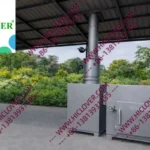
The Role of High-Temperature Incineration in Controlling Nipah Virus and Emerging Zoonotic Threats
The Role of High-Temperature Incineration in Controlling Nipah Virus and Emerging Zoonotic Threats
Emerging zoonotic viruses such as Nipah virus, Hendra-like viruses, and other high-fatality pathogens pose a persistent threat to public health systems, particularly in regions with close humanCanimal interaction, limited centralized waste infrastructure, and recurring outbreak risks.
One of the most overlooked yet critical control points in viral transmission chains is the handling and disposal of contaminated biological waste. In this context, high-temperature incineration plays a decisive role in blocking secondary transmission, protecting frontline personnel, and ensuring irreversible pathogen destruction.
This article explores how HICLOVER incinerator systems contribute to outbreak preparedness and long-term biosecurity strategies against Nipah virus and similar pathogens.
Understanding the Transmission Risk of Nipah-Like Viruses
Nipah virus is characterized by:
-
High fatality rates
-
Zoonotic spillover (often from bats or livestock)
-
Human-to-human transmission via bodily fluids
-
Environmental persistence in contaminated materials
During outbreaks, waste streams become amplification vectors, including:
-
Contaminated PPE (masks, gloves, gowns)
-
Medical disposables and sharps
-
Animal carcasses or tissues
-
Laboratory residues and diagnostic consumables
If these materials are stored, transported, or treated inadequately, they may reintroduce viral exposure to healthcare workers, sanitation staff, and surrounding communities.
Why High-Temperature Incineration Is Non-Negotiable
1. Irreversible Virus Destruction
HICLOVER incinerators operate with controlled high-temperature combustion, typically:
-
Primary chamber: >850 °C
-
Secondary chamber (afterburner): >1,100 °C
At these temperatures:
-
Viral RNA and protein structures are fully denatured
-
No survival or regrowth pathway exists
-
Complete thermal inactivation is achieved
Unlike chemical disinfection or burial, thermal incineration leaves no biological uncertainty.
2. Blocking the Transmission Chain at the Source
A key outbreak-control principle is early interruption.
On-site incineration ensures:
-
No off-site transport of infectious waste
-
No intermediate handling or repackaging
-
No accumulation of hazardous materials
This directly cuts off secondary transmission routes, especially in:
-
Rural hospitals
-
District-level isolation centers
-
Temporary epidemic response camps
Personnel Protection and Operational Safety
Reduced Human Contact
HICLOVER incinerators are designed to:
-
Accept sealed waste containers or bagged waste
-
Minimize manual sorting
-
Support batch or scheduled operation
This reduces:
-
Direct exposure of staff
-
Repeated handling steps
-
Risk of accidental leakage or spills
Controlled Combustion & Enclosed Systems
Key design principles include:
-
Negative-pressure combustion chambers
-
Enclosed feeding and ash discharge
-
Stable ignition and flame control
These features protect:
-
Operators
-
Maintenance personnel
-
Adjacent healthcare workers
Decentralized, Small-Scale Deployment for Epidemic Control
Why Centralized Facilities Are Not Enough
In many Nipah-risk regions:
-
Centralized treatment plants are distant
-
Transport infrastructure is weak
-
Emergency response must be local
HICLOVER incinerators support distributed installation, including:
-
County and district hospitals
-
Field isolation units
-
Veterinary control stations
-
Border quarantine points
This small-footprint, point-of-generation disposal model is far more resilient during outbreaks.
Application Scenarios Beyond Human Healthcare
Nipah virus and similar pathogens often involve animal reservoirs.
Incineration is equally critical for:
-
Livestock carcass disposal
-
Wildlife surveillance waste
-
Veterinary PPE and sampling waste
HICLOVER systems are adaptable for:
-
Animal waste incineration
-
Mixed medical and biological waste
-
Emergency culling operations
Environmental Safety and “No Secondary Pollution”
Proper incineration is not only about destruction but also controlled emissions.
HICLOVER systems emphasize:
-
Stable secondary combustion for smoke oxidation
-
Low-odor operation
-
Configurable flue-gas treatment options
This ensures:
-
Community acceptance
-
Compliance with health-sector environmental expectations
-
Safe operation even near populated areas
A Long-Term Biosecurity Investment, Not a Temporary Measure
Preparedness Over Reaction
Outbreaks are not one-time events.
Investing in incineration infrastructure means:
-
Readiness before the next outbreak
-
Reduced emergency procurement costs
-
Faster response without external dependency
Multi-Use Value
Even outside epidemic periods, incinerators support:
-
Routine medical waste disposal
-
Veterinary biosecurity programs
-
Laboratory and research waste treatment
This makes the system economically and operationally sustainable.
Conclusion: Incineration as a Core Pillar of Epidemic Defense
For high-risk pathogens such as Nipah virus, waste is not a side issue―it is a frontline issue.
High-temperature incineration provides:
-
Absolute pathogen destruction
-
Immediate transmission blocking
-
Personnel and community protection
-
Flexible, decentralized deployment
-
Long-term public health value
By integrating HICLOVER incinerator systems into healthcare and biosecurity planning, authorities and institutions strengthen their defenses not only against today’s outbreaks, but against the unknown threats of tomorrow.
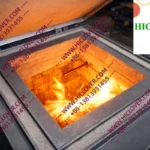
HICLOVER Laboratory Waste Incineration Solution
HICLOVER Laboratory Waste Incineration Solution
(On-Site Volume Reduction | Low Smoke & Odor | Modular & Upgradeable APC)
The HICLOVER Laboratory Waste Incineration Solution is a practical on-site waste disposal option designed for laboratories, hospitals, research institutes, biopharmaceutical R&D centers, and third-party testing facilities. It helps users manage infectious laboratory waste, contaminated consumables, disposable PPE, and approved sharps containers through controlled incineration―reducing dependence on off-site transport and improving operational control.
As a professional laboratory waste incinerator manufacturer, HICLOVER provides reliable systems for customers searching for laboratory waste incinerator, biohazard waste incinerator, infectious waste incineration, and on-site laboratory waste disposal solutions.
Typical Waste Streams (Incinerable Laboratory Solid Waste)
This solution is suitable for common incinerable laboratory solid waste, such as:
Contaminated disposable consumables: gloves, masks, protective clothing, wipes
Bio-contaminated solids: Petri dishes, culture residues (solid / semi-solid), sample outer packaging
Contaminated packaging and soft plastics: plastic bags, films, cartons
Sharps waste (loaded only in approved puncture-resistant sharps containers)
Note: chemical solvents, heavy metals, and radioactive waste must be strictly segregated and are not recommended for conventional incineration.
Key Design Focus for Laboratory Waste Incineration
To address fluctuating laboratory waste composition and odor/smoke concerns, the HICLOVER system is configured with a stable combustion concept emphasizing:
Stable ignition and controlled burning for mixed waste loads
Reinforced secondary oxidation to reduce visible smoke and odor
Optimized airflow management for consistent performance
Optional PLC control and safety interlocks for easier operation and better repeatability
Fuel options may include diesel, natural gas, or LPG, depending on local availability and customer preferences.
Modular Configuration & Upgradeable Air Pollution Control (APC)
HICLOVER offers flexible configuration packages to match different compliance expectations:
Basic deployment for small labs and remote sites
Compliance-enhanced options with improved flue-gas cooling/washing (optional wet scrubbing)
High-standard solutions with multi-stage APC combinations (dry/wet options) for stricter permitting or audit requirements
This modular approach supports customers seeking an upgradeable laboratory waste incineration system with clear expansion potential.
Applications (Where It’s Used)
Hospital laboratories and clinical testing departments
Research institutes and university laboratories
Pharmaceutical and biotech R&D centers
Third-party testing and inspection laboratories
Remote sites requiring on-site biohazard waste disposal
Why HICLOVER
With modular deployment and compliance-ready design logic, HICLOVER helps customers achieve safe laboratory waste disposal, improved operational control, and reduced logistics burden―especially where reliable off-site treatment is costly or unpredictable.
If you are evaluating a laboratory waste incinerator, biohazard waste incinerator, or a scalable infectious waste incineration solution, HICLOVER can provide customized capacity ranges and configuration packages for your project.
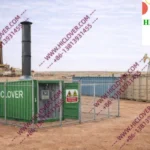
HICLOVER Incinérateur de Déchets Conteneurisé Plug-and-Play
HICLOVER Incinérateur de Déchets Conteneurisé « Plug-and-Play »
L’incinérateur de déchets conteneurisé Plug-and-Play HICLOVER (300 kg/h & 500 kg/h) est une solution de déploiement rapide conçue pour les projets internationaux de traitement des déchets, notamment lorsque le temps d’installation, la disponibilité de main-d’œuvre sur site et la fiabilité d’exploitation sont des critères prioritaires. En tant que système entièrement intégré en usine, cette unité conteneurisée réduit fortement les travaux sur site et permet une mise en service plus simple, plus rapide et plus sécurisée, même dans des environnements isolés ou temporaires.
Grâce à deux niveaux de capacité, HICLOVER répond à plusieurs besoins opérationnels :
-
300 kg/h : idéal pour les camps, hôpitaux, institutions, sites publics et la gestion quotidienne des déchets solides.
-
500 kg/h : destiné aux volumes plus élevés, aux points de collecte centralisés et aux sites nécessitant une solution de traitement renforcée.
Ce concept Plug-and-Play constitue une réponse pratique pour les acheteurs recherchant un incinérateur prêt à l’emploi, un incinérateur conteneurisé destiné à l’export, ou une solution mobile pour zones éloignées. L’ensemble du système est intégré dans une structure conteneurisée robuste, facilitant l’accès technique, la protection des équipements, ainsi que le transport et la logistique internationale.
Conçu pour une mise en route rapide et une exploitation stable, l’incinérateur conteneurisé HICLOVER peut également être relocalisé lorsque les sites de projet évoluent. Il s’adapte parfaitement aux programmes UN/ONG, aux camps miniers, aux sites pétroliers, aux communautés de chantier, ainsi qu’aux installations publiques situées dans des régions éloignées. En tant que fabricant et fournisseur, HICLOVER propose une solution axée sur la vitesse de déploiement, la stabilité de fonctionnement et la réduction des risques et contraintes sur site, pour soutenir les opérations à l’international de manière efficace et maîtrisée.
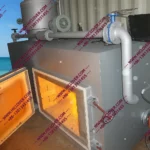
Containerized Hospital Incinerator Solutions for Ghana’s Healthcare Facilities
Containerized Hospital Incinerator Solutions for Ghana’s Healthcare Facilities
Hospitals and clinics across Ghana manage a steady flow of infectious waste every day―used syringes, contaminated dressings, expired pharmaceuticals, and laboratory residues. These materials cannot be stored for long periods without increasing infection risk to staff and surrounding communities. In many facilities, especially outside major urban centers, waste treatment must be handled on site, with limited reliance on external infrastructure.
Under these conditions, a containerized hospital incinerator remains a practical and widely adopted solution. Compact layout, independent operation, and predictable thermal treatment make it suitable for hospitals that require controlled disposal without complex logistics.
Why Containerized Incineration Is Commonly Selected
For healthcare facilities with unstable grid power or limited technical manpower, treatment systems must prioritize reliability and operational clarity. A containerized hospital incinerator in Ghana is often selected because it integrates the combustion system, control cabinet, and auxiliary components into a single transportable unit.
This approach reduces civil work requirements and shortens deployment time. Diesel-fired configurations are frequently chosen, as fuel availability is more predictable than continuous electrical supply in many regions. Once installed, the system operates independently, supporting daily waste volumes from clinics, regional hospitals, and teaching institutions.
Core Combustion Configuration Used in Hospital Applications
Dual-Chamber Thermal Structure
A commonly adopted configuration for hospitals is the dual-chamber incinerator. The primary chamber is used for direct combustion of medical waste, operating at stable high temperatures typically around 850 °C. This temperature range supports effective destruction of infectious materials and sharps.
Downstream, a secondary combustion chamber maintains higher temperatures―often up to 1100 °C―to re-burn flue gases generated in the first stage. This secondary oxidation step is designed to reduce odors and visible smoke associated with incomplete combustion, which is a frequent concern for hospital operators and nearby communities.
Temperature Stability and Control Logic
Stable thermal conditions are critical for consistent results. Automated burner control maintains chamber temperatures within defined ranges, reducing dependence on manual intervention. This is particularly important for facilities with rotating staff or limited experience in waste incineration.
Automation and Operational Simplicity
Modern containerized hospital incinerator systems supplied by HICLOVER are equipped with PLC-based control platforms. These systems coordinate burner ignition, temperature monitoring, interlocks, and alarm functions.
For hospital operators, this means:
-
Reduced need for continuous manual adjustment
-
Clear status indication during operation
-
Improved operational safety through automated sequencing
Such control logic is designed in line with common healthcare waste management practices, focusing on repeatability rather than complex customization.
Flue Gas Treatment Options Based on Project Scale
Hospitals differ significantly in size and budget, and flue gas treatment is often selected accordingly. Standard configurations may include dry treatment sections using alkaline media to neutralize acidic components in the exhaust stream.
For projects with higher environmental performance targets, wet scrubber systems can be integrated. These typically combine quenching, washing, and particulate removal in a compact layout, suitable for containerized installations. Selection depends on site conditions, operational expectations, and available maintenance resources.
Matching System Capacity to Hospital Scale
A containerized hospital incinerator in Ghana is not limited to a single capacity range. Smaller clinics may operate batch-fed units designed for intermittent daily use, while regional or teaching hospitals often require systems capable of continuous or extended operation.
The containerized format allows similar combustion principles to be applied across different throughput levels, simplifying spare parts management and operator training when multiple facilities are involved in a single healthcare network.
HICLOVER as an Equipment Manufacturer
HICLOVER operates as a manufacturing factory specializing in standardized medical waste incineration systems for export markets. Its containerized hospital incinerator designs are based on repeatable models rather than one-off prototypes, allowing consistent documentation, technical drawings, and operating manuals.
Export experience to hospitals, NGOs, and engineering contractors supports remote technical coordination, including installation guidance and operational clarification. Product specifications and system layouts are available through the official website:
https://www.hiclover.com/
This structured approach is intended to support healthcare facilities seeking practical, maintainable waste treatment equipment rather than experimental solutions.
Practical Considerations for Hospital Decision-Makers
When evaluating a containerized hospital incinerator, procurement teams typically focus on operational reliability, emission visibility, odor control, and long-term maintenance effort. Diesel-based, dual-chamber systems with automated control remain a commonly adopted solution in hospitals where infrastructure constraints must be addressed alongside infection control requirements.
For facilities conducting technical searches in English, clearly defined system architecture and documented operating logic are often decisive factors in early project assessment.